How Much Do You Know About pf certificate registration in india?
Wiki Article
PF Registration in India: A Complete Guide to Provident Fund Registration and Certification
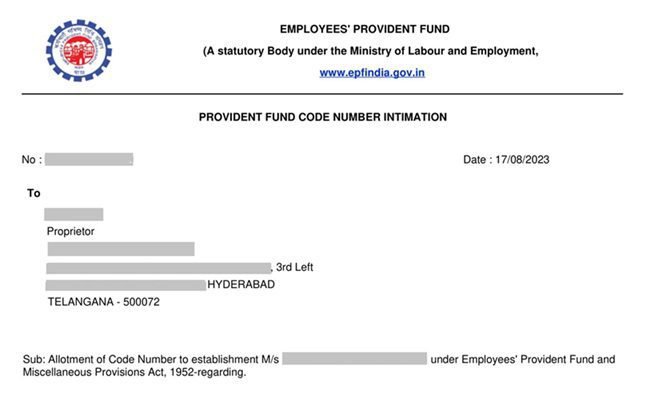
In today’s structured employment environment, maintaining employee welfare and statutory compliance is an essential responsibility for every organisation. One of the most important components of labour law compliance is pf registration in india, which provides financial security to employees through long-term savings. The Employees’ Provident Fund (EPF) scheme is designed to support employees after retirement while also offering benefits during their working years. For organisations, acquiring a pf certificate registration in india is more than a legal necessity—it is a move towards establishing a credible and compliant workplace.
Understanding PF Registration in India
PF registration is regulated by the Employees’ Provident Fund Organisation (EPFO), responsible for managing employee retirement savings across India. Within this system, employers and employees jointly contribute a fixed portion of the salary into a provident fund account. Over time, this fund accumulates and earns interest, providing financial stability in the future.
The process of pf registration in india is mandatory for establishments employing a specified number of employees, typically 20 or more. Once registered, the organisation receives a unique PF code, and employees are assigned individual account numbers to track their contributions and benefits.
Importance of PF Certificate Registration in India
Acquiring a pf certificate registration in india confirms that an organisation complies with labour law requirements. This certification acts as evidence that the organisation is registered under the EPF scheme and is meeting its employee welfare responsibilities.
In addition to compliance, PF registration strengthens the organisation’s credibility. Employees are more likely to trust and stay with organisations that provide structured benefits such as provident fund contributions. It further helps attract skilled professionals who prioritise long-term financial security and benefits.
Eligibility Criteria for PF Registration
Enterprises need to determine their eligibility before proceeding with pf registration in india. The main criteria involve employee count and organisational structure. Typically, establishments with 20 or more employees must register under the EPF scheme.
However, even organisations with fewer employees can opt for voluntary registration. It benefits startups and emerging enterprises that want to introduce employee benefits from the outset. After registration, compliance obligations remain applicable irrespective of workforce size.
Documents Required for PF Registration
To complete the process of pf certificate registration in india, businesses must provide specific documents and information. Such documentation generally consists of registration certificates, identity proofs of key personnel, address verification, and employee details.
In addition, bank account information and digital signatures of authorised signatories are required to facilitate online registration. Ensuring accuracy in documentation is essential to avoid delays or rejection during the application process.
Step-by-Step Process of PF Registration
The process of pf registration in india has been simplified via digital systems, enhancing accessibility and efficiency. Businesses are required to provide basic details including company information, number of pf certificate registration in india employees, and contact details during registration.
Once the information is submitted, authorities review the application. Once approved, the organisation is issued a PF registration number. Thereafter, employers can enrol employees, create UANs, and handle contributions via the digital system.
This online system promotes transparency and simplifies compliance for organisations of every size.
Benefits of PF Registration for Employers and Employees
The advantages of pf certificate registration in india extend to both employers and employees. For employees, PF serves as a dependable savings tool that accumulates over time with contributions and interest. Additionally, it enables withdrawals for emergencies, housing, or educational purposes.
For employers, PF registration helps in maintaining compliance with labour laws and avoiding legal penalties. It also improves employee satisfaction and retention by offering financial security and structured benefits. Additionally, contributions made by employers can be considered as part of employee compensation, creating a balanced benefits structure.
Compliance and Responsibilities After Registration
After completing pf registration in india, businesses must follow continuous compliance obligations. Employers must deduct employee contributions and deposit both shares within specified timelines.
Regular filing of returns and maintaining accurate records are also essential. Any inconsistency or delay can attract penalties and legal implications. Hence, businesses adopt structured systems or professional support to manage compliance efficiently.
Common Challenges in PF Registration
While the process of pf certificate registration in india has become more streamlined, businesses may still face certain challenges. Common issues include documentation mistakes, verification delays, and unclear eligibility criteria.
Another common issue is managing ongoing compliance, especially for organisations with a large workforce. Maintaining timely contributions, accurate records, and correct employee data demands constant monitoring and efficient systems.
Being aware of these challenges helps organisations prepare effectively and ensures smooth compliance.
How to Choose the Right Support for PF Registration
Many enterprises rely on professional support to ease the process of pf registration in india. Specialists support documentation, application processes, and compliance management, ensuring accuracy.
The right support should be chosen based on experience, regulatory knowledge, and full-service assistance. Such services are especially useful for startups and small businesses lacking in-house compliance teams.
Conclusion
PF registration in india is a fundamental requirement for businesses aiming to ensure employee welfare and maintain legal compliance. By obtaining a pf certificate registration in india, organisations not only meet statutory obligations but also create a secure and supportive work environment. With proper understanding, accurate documentation, and consistent compliance, businesses can effectively manage provident fund responsibilities while building trust and long-term value for their employees. Report this wiki page